In the film Earth2, Britt Barling tells a story about an astronaut alone in space who becomes increasingly distressed by a persistent tapping sound inside the spacecraft. At first, he tries desperately to locate it. He searches panels, checks instruments, retraces his steps—but the noise continues. Eventually, he realises something profound: he cannot make it stop. The only thing within his control is his response. So instead of fighting the sound, he chooses to accept it—even to love it. In that moment, the tapping loses its power over him.
This story beautifully reflects a core principle of Tai Chi.
In our practice, we quickly discover that we cannot control everything around us. We cannot change the weather, the pace of the world, other people’s moods, or even the occasional ache in a knee. Just as the astronaut could not silence the tapping, we cannot always silence the external noise of life.
What we can change is how we respond.
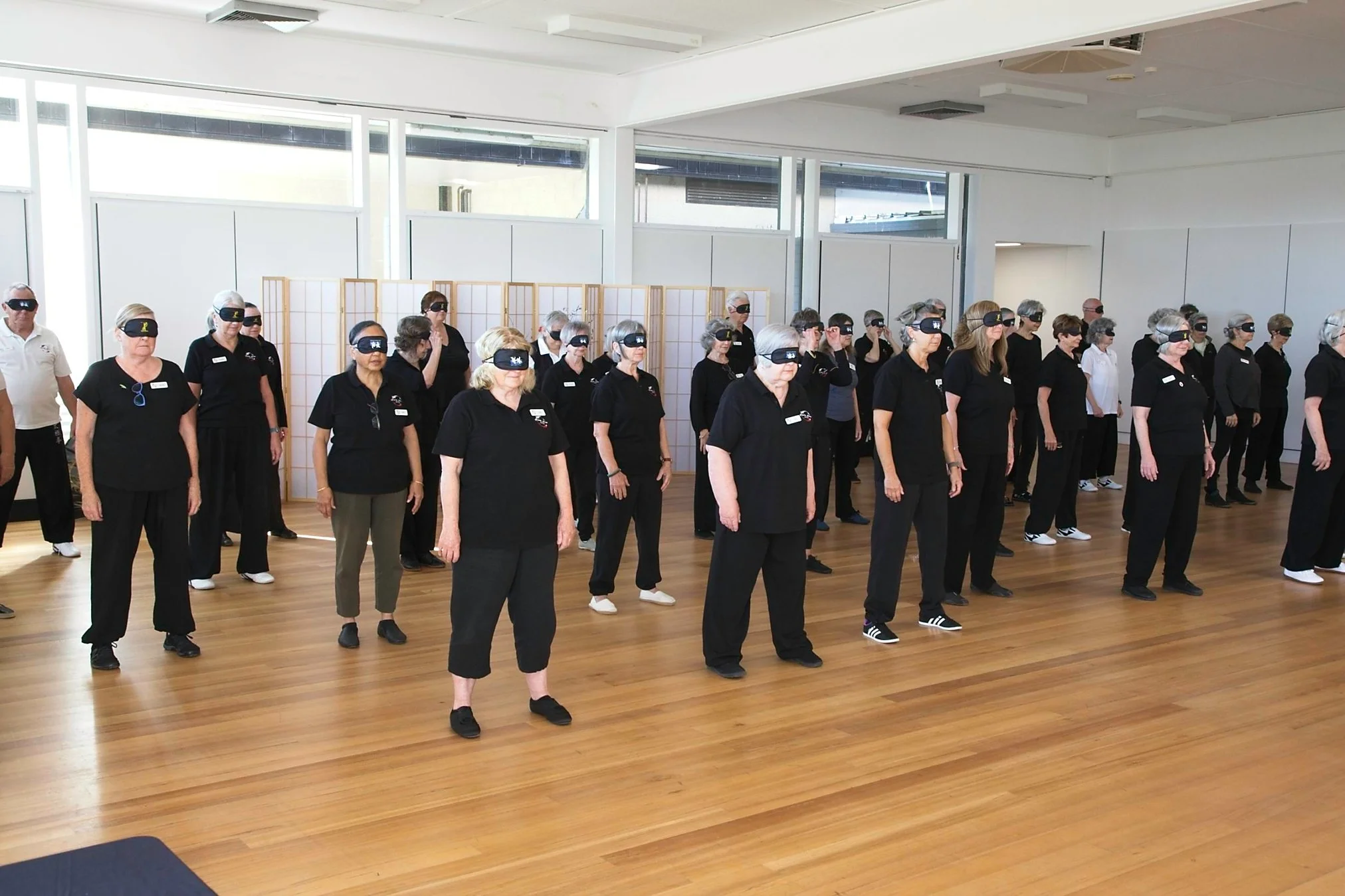
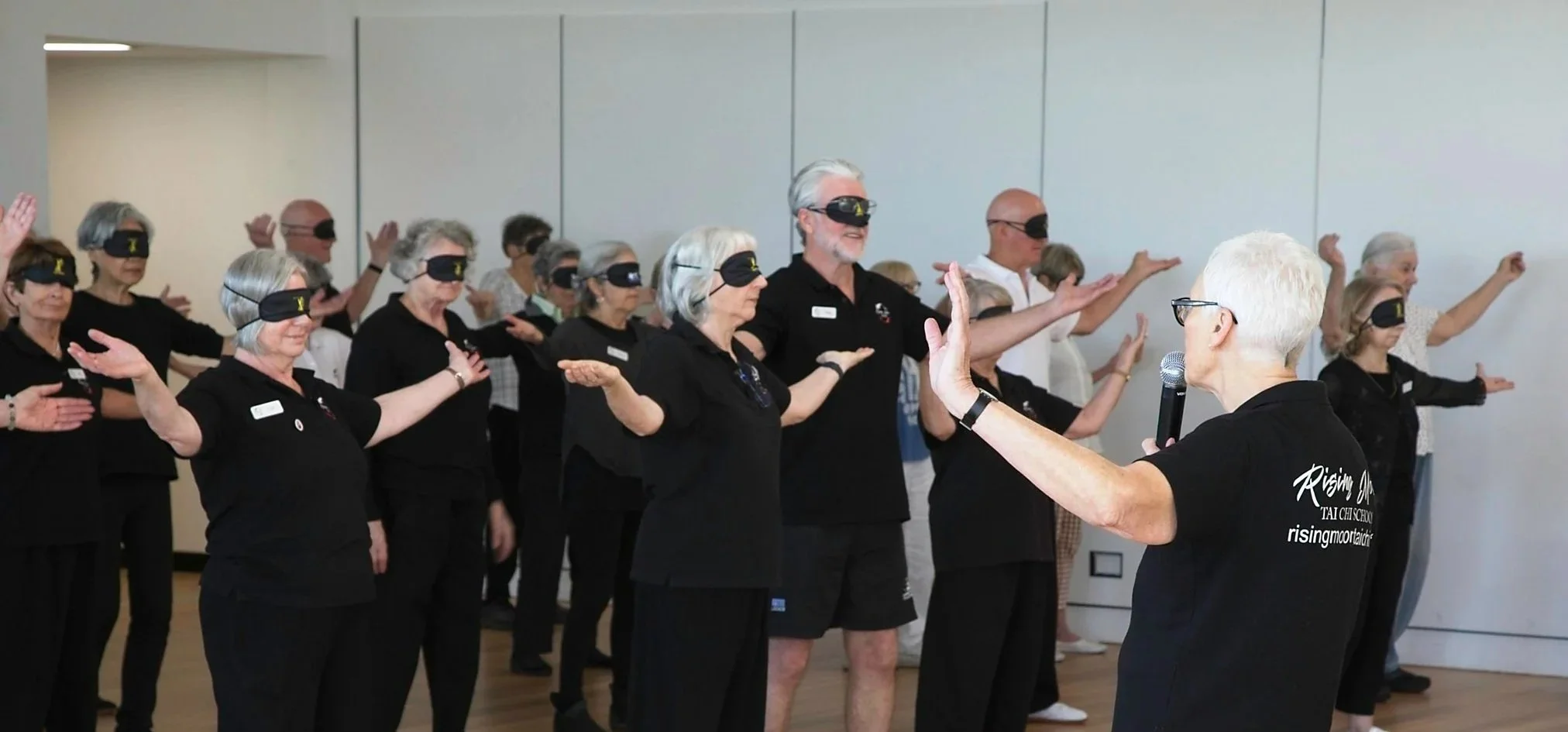
We had an opportunity recently to experience the frustrations of being vision impaired. Donning masks for Qigong exercises, we quickly realised many things - firstly, how fortunate we are to have the gift of sight, but also how resisting the experience only created more tension and uncertainty.
The more we tried to “fight” the lack of vision, the more disoriented we became. Balance felt unstable, movements became hesitant, and the mind grew busy with doubt. However, when we began to soften, to trust our other senses, and to move with greater awareness and patience, a sense of calm gradually emerged. What initially felt restrictive became an invitation to listen to the body, the breath, and the space around us.
This mirrors an essential principle in Tai Chi and Qigong. Progress does not come from force, but from yielding, adapting, and working in harmony with what is present. When we stop resisting and instead respond with acceptance, we create the conditions for balance and flow to return.
For those living with vision impairment, this is not a temporary exercise but a daily reality. Our brief experience offered just a glimpse into the resilience, adaptability, and inner strength required. It was both humbling and deeply moving and a powerful reminder that sometimes, the greatest progress comes not from pushing harder, but from letting go.
In push hands, if we brace against force, we are uprooted. If we listen, soften, and redirect, we remain centred. The environment may not change, but our relationship to it does.
Perhaps the ‘tapping’ in our own lives is not something to eliminate, but something to practise with.