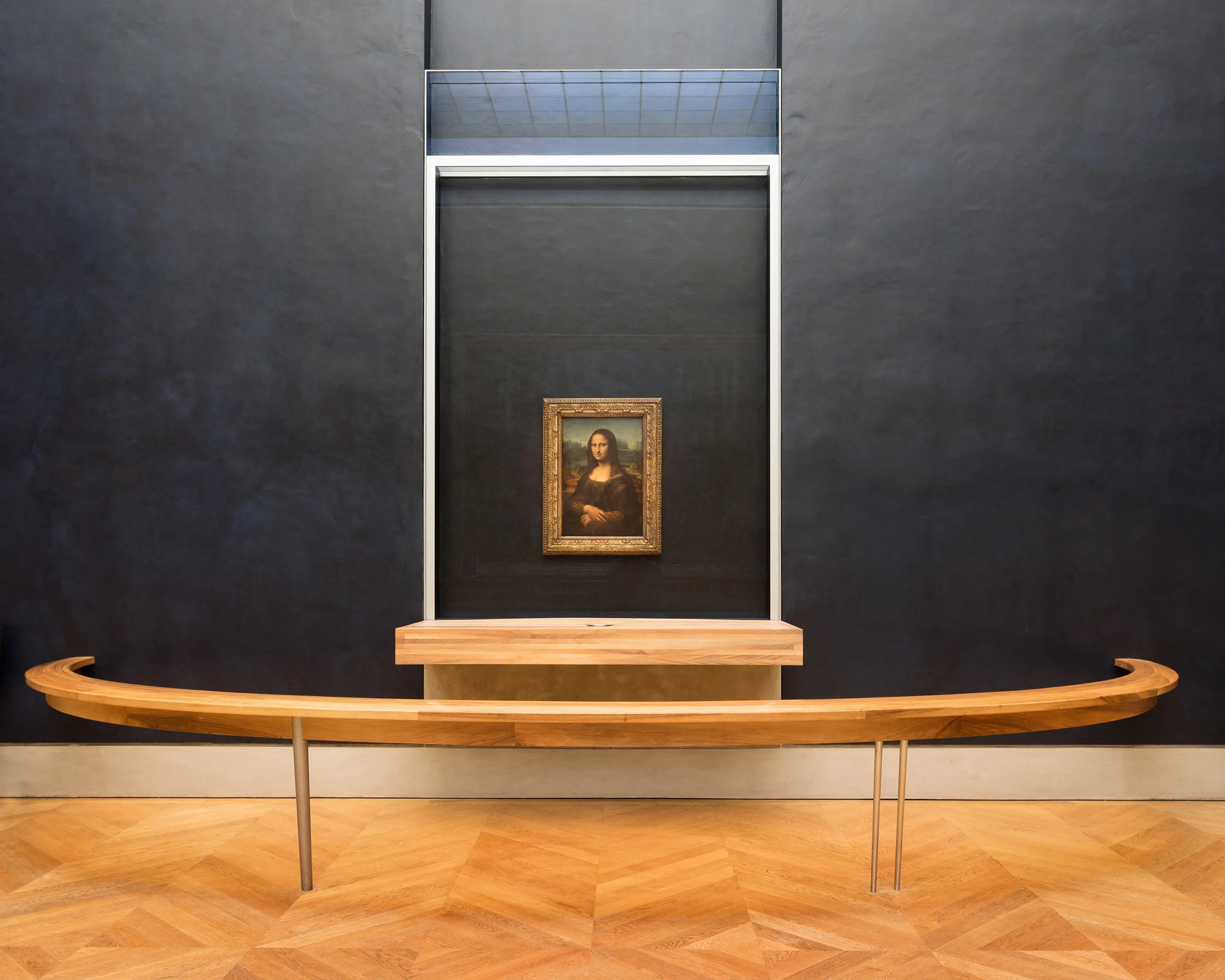
The famous Mona Lisa painting depicts a woman seated against a distant landscape, her expression composed and quietly enigmatic. From across the room, we appreciate the complete work of art.
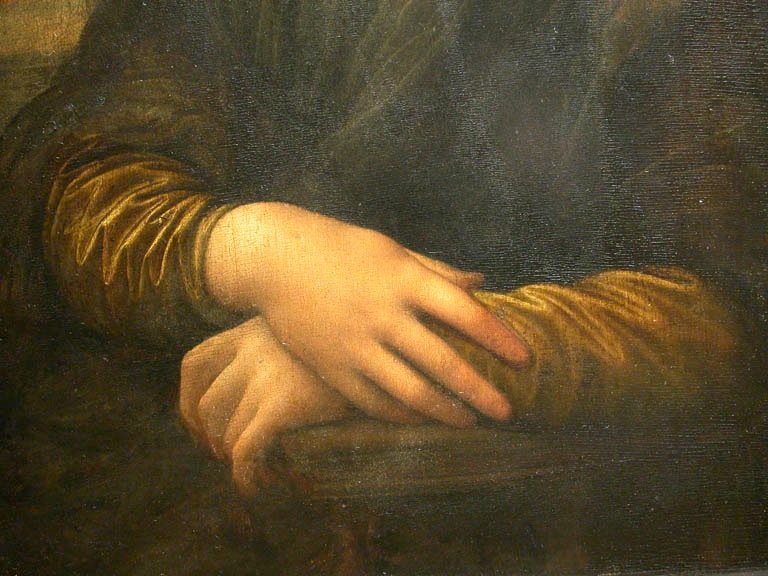
Yet when we step closer to the canvas, something remarkable happens.
The overall image dissolves into countless delicate brushstrokes. The softness of her face is constructed by layer upon layer of translucent paint. The famous sfumato — that gentle blending without harsh outlines — reveals itself as painstaking craftsmanship. Subtle shifts of tone create the illusion of living skin. The shadows are not simply dark; they are built from careful mixtures of umber, green, and muted gold. Even the background landscape, which appears misty and distant, is composed of fine, deliberate strokes that guide the eye inward.
What looked simple from afar is, in truth, profoundly intricate.
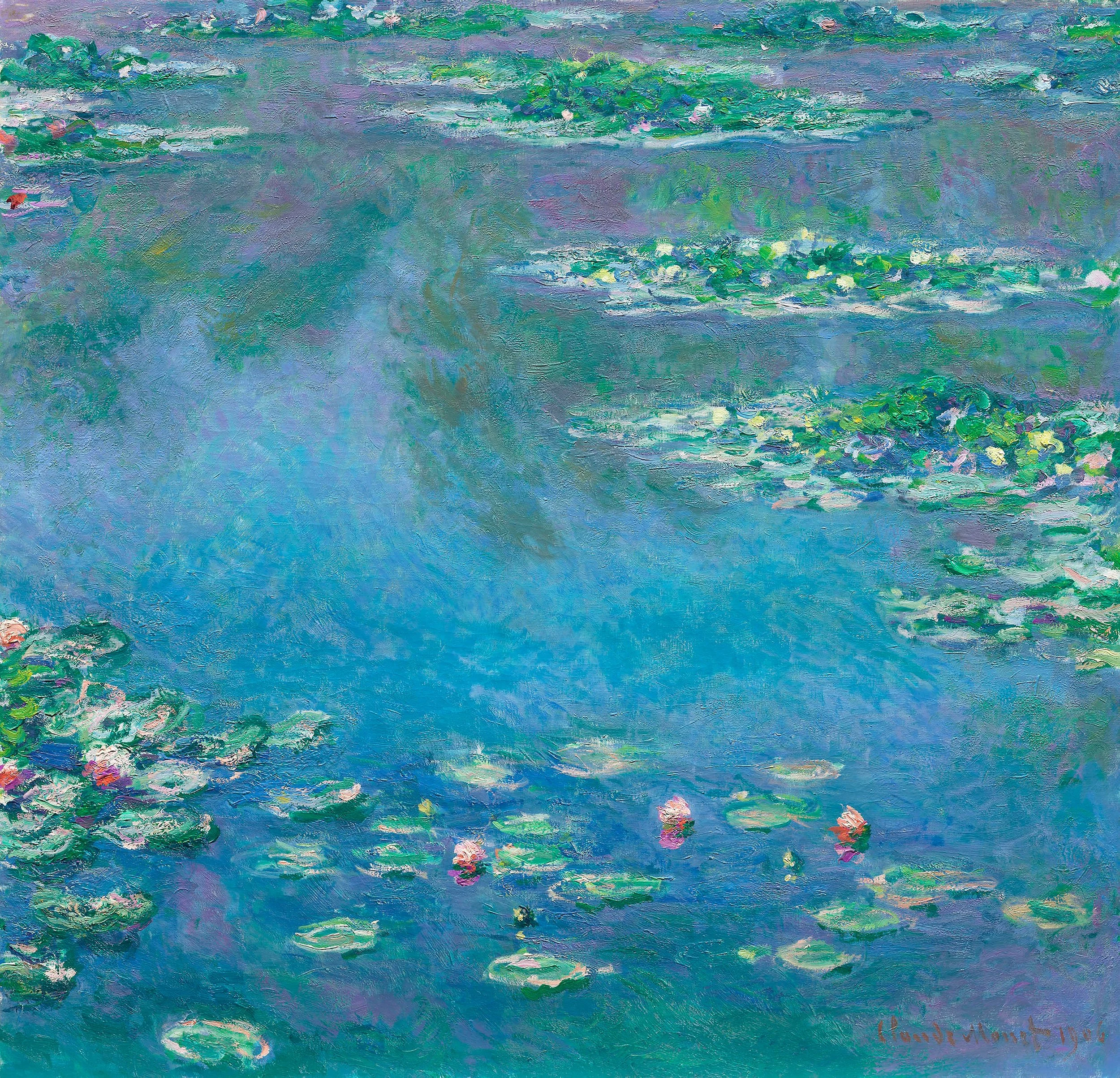
The same is true when we ponder Claude Monet’s garden scenes — the lilies floating in Giverny, for example. From a distance, we see water, light, reflection. But up close, there are dashes of violet, flecks of coral, unexpected streaks of blue. The ‘water’ is suggested not by literal depiction, but by the interplay of colours.
Our Tai Chi practice is built in exactly this way.
When we watch an experienced practitioner perform a completed Form, it appears seamless — slow, flowing, harmonious. From a distance, it is simply beautiful movement. But when we step closer into our own practice, the Form dissolves into transitions, weight shifts, alignments and breath. A turn of the waist begins in the kua. A lift of the arm is supported by the root in the foot. The pause between postures is not empty; it is alive with intention.
Each transition is a brushstroke. Each posture, a layer of colour. Each movement is its own universe.